

Table of Contents
- What Makes a Balm the Best for Dry Skin
- Ingredients That Nourish Dry Skin (and Ones to Be Careful With)
- Comparison: Nourishing Balms for Face, Lips and Body
- Best Lip Balm for Dry, Chapped Lips
- Best Body Balm for Extremely Dry Skin
- How to Use a Balm for Dry Skin (Face, Body and Lips)
- Common Mistakes When Choosing a Nourishing Balm
- Frequently Asked Questions
Last Updated: October 16, 2026
What Makes a Balm the Best for Dry Skin
The best nourishing balms for dry skin sit on the surface and hold moisture in rather than sinking away and leaving tightness behind.
At Refine GlowLabs, we build our routines around barrier care, because most dry skin is a barrier problem first.
A balm is anhydrous, little or no water, and forms a protective layer that slows water loss.
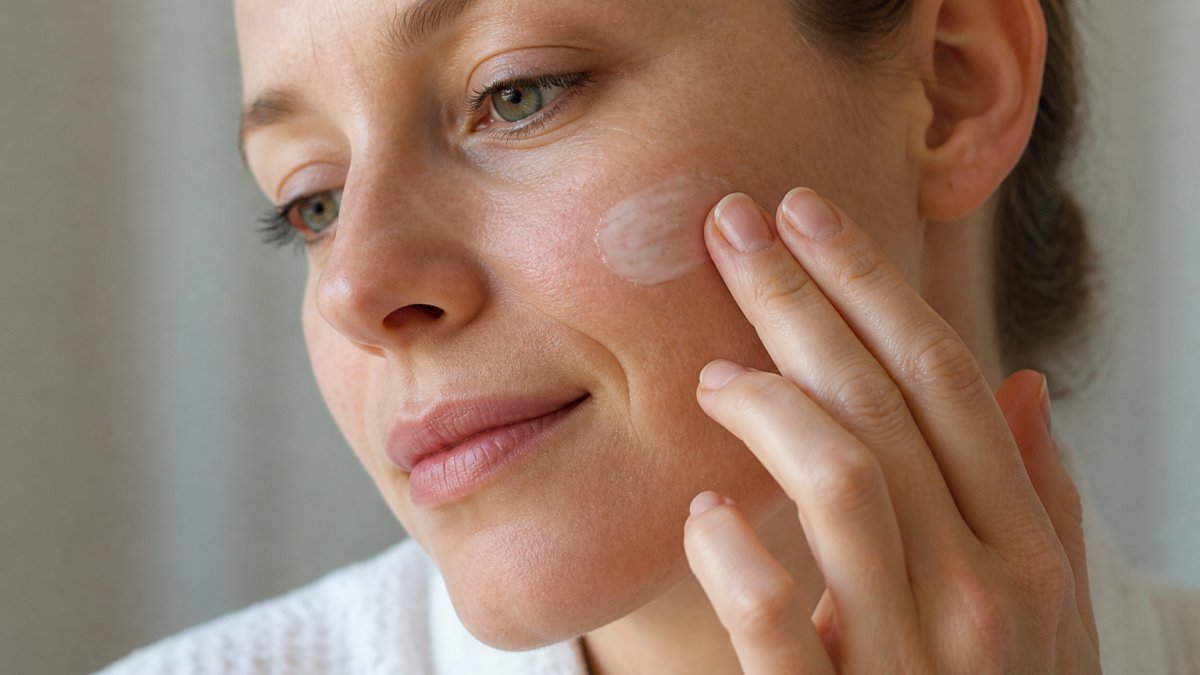
Balm vs cream: what the texture actually does
Texture decides how much water a product holds and how long it stays put.
- Creams mix oil and water: hydrating and light, good for daytime, weaker at sealing, evaporate off the skin and sit for a short while on the outer layer of skin where they soften the outer skin cells.
- Balms rich enough to protect, act as a seal between the skin and air, seal in moisture and press ingredients in to the skin, can be worn alone, or, for #deeper hydration, use with a good skin softening moisturising cream such as the Clomana Beauty Soft Skin Cream. workable enough to wear on the face.
For most dry, comprimised skin, a balm gives the best balance of comfort and protection.
Leave-on balms, lip balms and cleansing balms are different products
A leave-on balm stays on the skin to seal and repair. A lip balm suits thinner, more delicate skin and is often licked or wiped away. A cleansing balm is a wash-off product that breaks down makeup and SPF, then rinses clean.
Buying the wrong one is a common mistake: a cleansing balm used as a moisturiser will not repair anything, and a rich face balm used to remove makeup leaves a film behind.
Ingredients That Nourish Dry Skin (and Ones to Be Careful With)
The most reliable nourishing balms rely on a few proven ingredients rather than a long list of botanicals. Know the three functional groups that do the work, then read the label with those in mind.
The three groups that matter
Occlusives form a physical film that slows transepidermal water loss (TEWL), the steady evaporation of water through the skin.
Emollients fill the gaps between skin cells so the surface feels smooth and flexible rather than rough and tight. My hero emollient is squaline
Humectants pull water into the upper layers of the skin. Panthenol & Ceramides are my top recommendation.
Barrier lipids such as ceramides, and vitamin E are the mortar between the bricks of the skin barrier.
How to read a balm label
Ingredients are listed in descending order of concentration, down to 1%, after which order is not meaningful:
- The first few ingredients tell you what the balm mostly is, if petrolatum, shea butter or a wax leads, expect a true occlusive balm; if water or glycerin leads, it is a cream or hybrid.
- A balm is anhydrous, so water (aqua) should not appear high on the list. If it does, the product is a rich cream, not a balm.
- Actives and botanicals near the end are present in small amounts and unlikely to do much.
What to be careful with
- Fragrance and essential oils. Fragrance mix and components such as limonene, linalool and citronellol are among the most common causes of contact allergy in cosmetics. "Natural" does not mean non-irritating, many essential oils are sensitisers.
- Acids and exfoliants. AHAs, BHAs and retinoids belong in a separate category.
- Long botanical blends. A twenty-extract list raises irritation risk without clear benefit over a short, functional formula.
Patch testing, properly
If your skin is reactive, apply a small amount to the inner forearm twice daily for three to four days and watch for redness, itching or bumps. Stop if you react.
Our BarrierForm Skin Repair & Glow Balm (£16.99) is built on exactly this logic: petrolatum and shea butter as occlusives, squalane as an emollient, ceramides as barrier lipids, and vitamin E as an antioxidant, in one rich balm.

Comparison: Nourishing Balms for Face, Lips and Body
Different areas need different balms. A face balm is lighter and non-comedogenic; a body balm can be heavier; a lip balm must be cosmetically elegant and safe to swallow in small amounts.
Balm Type |
Best For |
Texture |
When to Apply |
|---|---|---|---|
Facial balm |
Dry patches, barrier repair |
Rich, workable |
Last step at night. During the day when needed |
Body balm |
Extremely dry skin, elbows, knees |
Heavy, occlusive |
After bathing |
Lip balm |
Dry, chapped lips |
Light, waxy |
As needed, daily |
Cleansing balm |
Removing makeup and SPF |
Melting, rinse-off |
First cleanse |
These are not interchangeable, match the product to the job.
Best Lip Balm for Dry, Chapped Lips
The best lip balm for dry, chapped lips seals moisture in, protects against the weather, and does not rely on menthol or camphor for a temporary tingle. Lips have almost no oil glands, so they dry out faster than the rest of the face.
For everyday dryness, apply a thin layer after brushing your teeth and again before bed. For cracked, sore lips, a balm with occlusive and soothing ingredients beats a flavoured gloss.
BarrierForm Skin Repair & Glow Balm →
If your lips are dry after an aesthetic treatment such as lip filler or lip blush, choose a repair-focused balm rather than a cosmetic one. Our LipForm Repair Balm SPF 50 (£12.99) was formulated for exactly this: arnica to help with bruising, kahai oil to nourish, and colloidal oats to calm, plus a gentle natural SPF 50 from red raspberry seed oil and shea butter.

Best Body Balm for Extremely Dry Skin
The best body balm for extremely dry skin is thick, applied to damp skin within a few minutes of bathing, and used consistently. That timing matters more than the brand on the jar.
Dry patches on shins, elbows and knees respond well to occlusive balms because the skin there is thicker and loses water quickly. Warm the balm between your palms, then press it in rather than rubbing.
For very dry or cracked areas, a balm with petrolatum and ceramides supports the barrier while it seals. If you have a diagnosed condition such as eczema, follow your clinician's advice and use balms as an addition, not a replacement for prescribed treatment.
How to Use a Balm for Dry Skin (Face, Body and Lips)
Most balms fail not because of the formula but because of how they are used. Here is how to choose one, how much to use, where it sits in your routine, and how to apply it so it holds moisture in.
How to choose: a short checklist
Work through these before you buy:
- Match the product to the job. Leave-on balm for sealing and repair, cleansing balm for makeup and SPF, lip balm for lips. They are not interchangeable.
- Check the lead ingredients. For very dry skin, look for petrolatum, shea butter or a wax near the top, plus ceramides if barrier repair is the goal.
- Check the fragrance position. If your skin is reactive, prefer fragrance-free or one where fragrance sits low and is clearly named.
- Check the format. A stick or tube is more hygienic and portable for lips and hands; a jar suits a rich face or body balm at home.
- Check the price per gram. A £16.99 50ml balm and a £9.99 15ml balm are not comparable, divide price by size to see the real cost.
- Check the claims. A balm can moisturise and protect; it cannot treat eczema, psoriasis or an infection.
How much to use
- Face: a pea-sized amount covers the whole face. More does not seal better; it sits on the surface and can clog pores.
- Body: a generous layer on dry patches, roughly a teaspoon per limb for very dry skin.
- Lips: a thin layer, reapplied through the day rather than one thick coating.
Where it sits in your routine
A leave-on balm is the last step of your evening routine, or, if needed after SPF during the day in areas needed - use after cleansing and moisturiser. Order matters because a balm forms a film: anything applied after it struggles to get through.
A cleansing balm is the first step of your evening routine. Massage it into dry skin to dissolve makeup and SPF, add warm water to emulsify, rinse, then follow with your normal cleanser if needed.
Application, step by step
- Cleanse gently. Use lukewarm water and a non-stripping cleanser. Hot water strips lipids and worsens dryness.
- Apply to slightly damp skin. Within about three minutes of bathing or cleansing is the sweet spot, this traps existing water under the balm.
- Warm a pea-sized amount between your fingertips so it spreads evenly instead of dragging.
- Press, don't rub. Pat and press the balm into dry patches. Rubbing creates friction on already-compromised skin.
- Layer at night. A balm is the final step and moisturiser.
- Reapply on lips and hands through the day, especially outdoors and after washing.
Frequency and expectations
For very dry skin, use a leave-on balm once or twice daily, typically at night, and again in the morning if the air is cold or you have been outdoors. Barrier repair is gradual: most people notice improved comfort within a few days and meaningful change over two to four weeks. Cracked skin takes longer and may need a thicker occlusive overnight.
Seasonal adjustments
In cold, windy weather and heated indoor air, both of which lower humidity and increase water loss, a heavier occlusive balm earns its place. In warmer, humid conditions, many switch to a lighter balm or a cream to avoid a greasy feel. The product does not change; the layer thickness and frequency do.
Cleansing Balm for Dry Skin: How It Fits Into Your Routine
A cleansing balm for dry skin belongs at the start of your evening routine, not the end. Massage it into dry skin to dissolve makeup and SPF, add warm water to emulsify, then rinse and follow with your normal cleanse if needed.
A cleansing balm cleans but does not moisturise, so dry skin still needs a leave-on balm afterwards.
Common Mistakes When Choosing a Nourishing Balm
Most disappointing balms fail for predictable reasons:
- Buying on texture alone. A balm that feels luxurious but contains no occlusive will not hold moisture.
- Using a cleansing balm as a moisturiser. It rinses off; it cannot repair.
- Applying to dry, not damp, skin. You lose the water-trapping benefit.
Dry, tight skin rarely needs more products; it needs the right one, applied in the right order and given time to work. At Refine GlowLabs, we built our balm range around that idea, with barrier-focused formulas you can understand and use confidently. Our BarrierForm Skin Repair & Glow Balm (£16.99) pairs petrolatum, squalane, ceramides and vitamin E for face and body repair, while LipForm Repair Balm SPF 50 (£12.99) handles dry, chapped and post-treatment lips.
Frequently Asked Questions
What is a moisture balm and how is it different from a moisturiser?
A moisture balm is a thick, oil- or wax-based product that sits on the skin and slows water loss, while a moisturiser is usually water-based and adds hydration before evaporating. Balms tend to suit dry patches, cracked skin and overnight repair because they stay put for hours. Look for petrolatum, squalane and ceramides in a facial balm, and apply it last in your routine to seal in everything underneath.
How do you choose a balm for dry skin?
Start with the area: lips need a dedicated lip balm with occlusives and, ideally, SPF; the body needs a body balm rich enough for cracked skin on shins and elbows; the face needs something non-comedogenic. Check the ingredient list for petrolatum, squalane, ceramides, shea or cocoa butter, and vitamin E. Avoid heavy fragrance if your skin is sensitive. Price matters less than texture and fit: a £12.99 lip balm used daily beats a £40 pot you never finish.
How often should you apply a balm to dry skin?
For very dry or cracked skin, apply two to three times a day and always after washing, while skin is still slightly damp. Overnight is when a thicker nourishing balm does most of its work, so a generous layer before bed supports overnight repair. If you are using a balm after an aesthetic treatment such as microneedling or a peel, follow your clinic's advice on frequency and check the product is suitable for compromised skin.
Can you use a nourishing balm on your face and body?
Many balms are formulated for both, but check the label first. A facial balm like BarrierForm Skin Repair & Glow Balm (£16.99) is designed for dry, sensitised or post-treatment skin and can be used as a targeted treatment or all-over balm. Body balms are often richer and may be too heavy for the face, especially if you are prone to congestion. When in doubt, patch test on your jawline for two nights before going full-face.